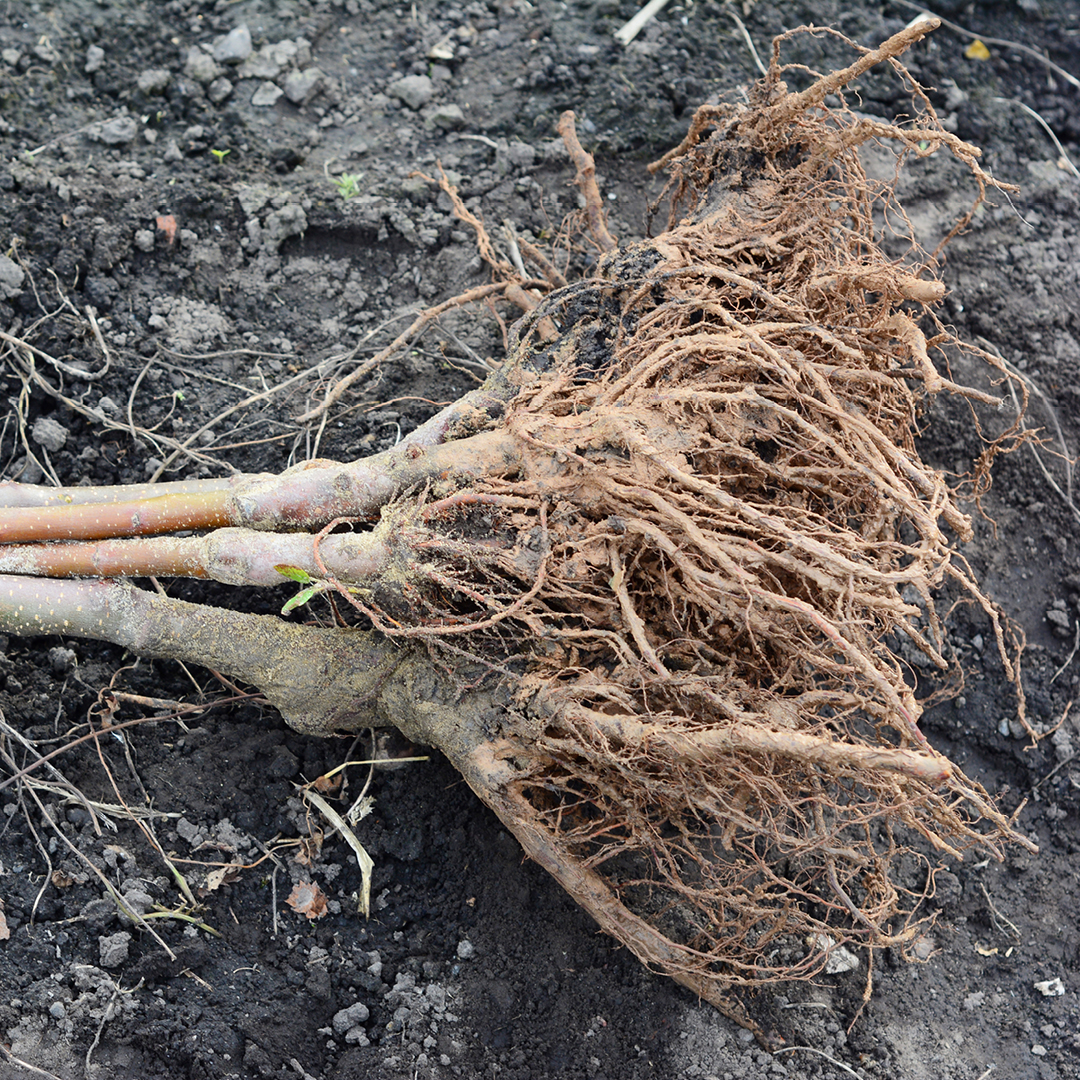
Bare-root trees provide one of the best ways to establish strong, long-lived landscape trees. Because they are planted while dormant, they settle into the soil, form roots quickly, and often outperform container-grown trees after just a few seasons. Whether you’re planting flowering ornamentals, shade trees, evergreens, or fruit trees, technique and timing make all the difference.
Bare-root trees are available only during a short seasonal window—late winter through early spring—before the growing season begins. Planting during this period helps reduce transplant shock and improves long-term health and stability.
Why Bare-Root Trees Excel
Without potting soil or container restrictions, bare-root trees have natural, uncirculated root systems capable of adapting immediately to native soil. This leads to improved anchoring, better nutrient uptake, and stronger drought resilience over time.
They are lighter, easier to move, and often cost less—making them ideal for both home gardeners and large landscape installations.
Preparing the Tree Before Planting
- Keep roots moist but not submerged until planting.
- Store in a cool, shaded location—never allow roots to freeze or dry out.
- Soak roots in water for one to two hours before planting to rehydrate.
If planting must be delayed more than a few days, temporarily “heel in” the roots with soil or mulch.
Knowledge Tip: Tree Size Matters
- Smaller bare-root trees (typically 2–4 years old, 0.5–1″ trunk diameter) are easier to establish and adapt quickly to their new environment. They require less initial water and support and tend to recover from transplant shock faster.
- Larger bare-root trees (2″ diameter or more, occasionally offered) can be planted bare-root, but they are more challenging to establish because the root system must support a larger canopy. Extra attention to watering, staking (if needed), and mulching is critical for their success.
- Fruit trees are commonly sold bare-root with trunks as small as 0.75″ as young stock. These young trees establish readily, while larger specimens require careful handling to ensure the graft union remains above soil and roots are fully supported.
How to Plant Bare-Root Trees
Follow this order for the best success:
- Dig the planting hole.
Make it two to three times wider than the roots, but only deep enough so the tree will sit at the correct finished height. - Locate the graft union (if present).
Most fruit and ornamental trees are grafted. The graft union appears as a subtle bulge, bend, or seam low on the trunk.
This point must remain above soil level—typically 2–3 inches above final grade.
Planting too deep can cause improper rooting from the scion and reduce hardiness, stability, and performance. - Create a soil mound in the center of the hole.
Spread the roots outward over the mound so they sit naturally—not bent or circling. - Backfill with the soil you removed.
Avoid adding potting mix or rich compost during planting, as this can discourage roots from spreading into the surrounding soil. - Water deeply as you fill.
This helps settle soil around the roots and eliminates air pockets. - Mulch properly.
Apply 2–3 inches of mulch around the tree, keeping a small mulch-free gap right around the trunk. - Stake only if necessary.
Trees develop stronger trunks when allowed to sway slightly in the wind. Larger bare-root specimens are more likely to require temporary staking until roots establish.
Should You Fertilize at Planting?
Avoid traditional high-nitrogen fertilizer during planting. Early fertilizer can encourage premature leaf growth before the root system is ready to support it.
Instead, consider:
- Mycorrhizal root inoculants to increase nutrient and moisture uptake.
- Root stimulators containing humic acids, kelp extract, or B vitamins.
Regular fertilizing can begin the following growing season, once new foliage appears and the tree shows signs of establishment.
After-Planting Care
For the first one to two years, deep, consistent watering is the most important maintenance step. Water slowly and deeply once or twice per week, depending on rainfall and soil drainage.
Avoid major structural pruning at planting unless removing broken or crossing branches. Formative pruning can begin after the tree is established.
Types of Bare-Root Trees and How They Behave
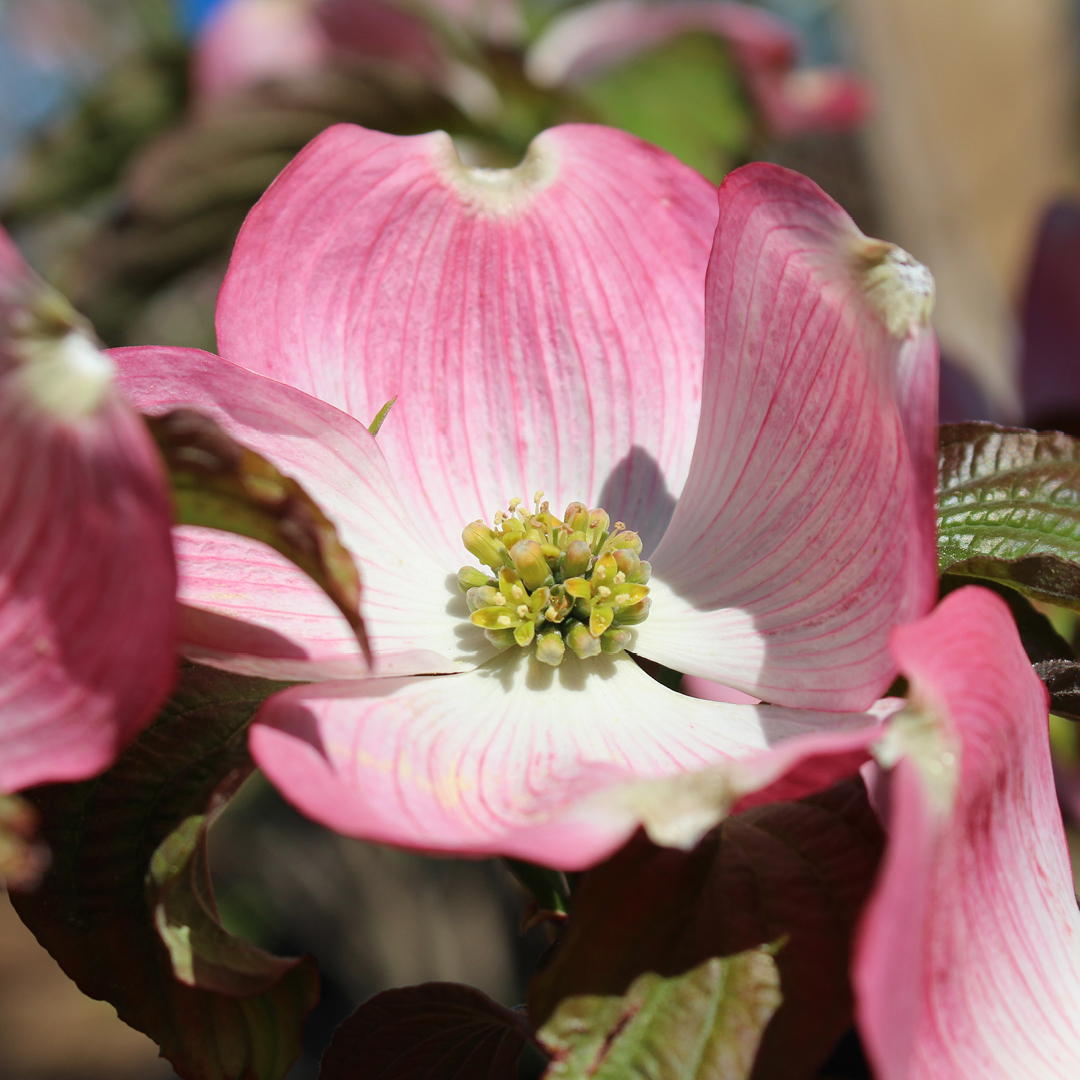
Flowering Trees – Dogwood, crabapple, redbud, and flowering cherry adapt beautifully in bare-root form. Their fine root systems establish quickly, helping them develop healthier branching and better bloom displays long-term.
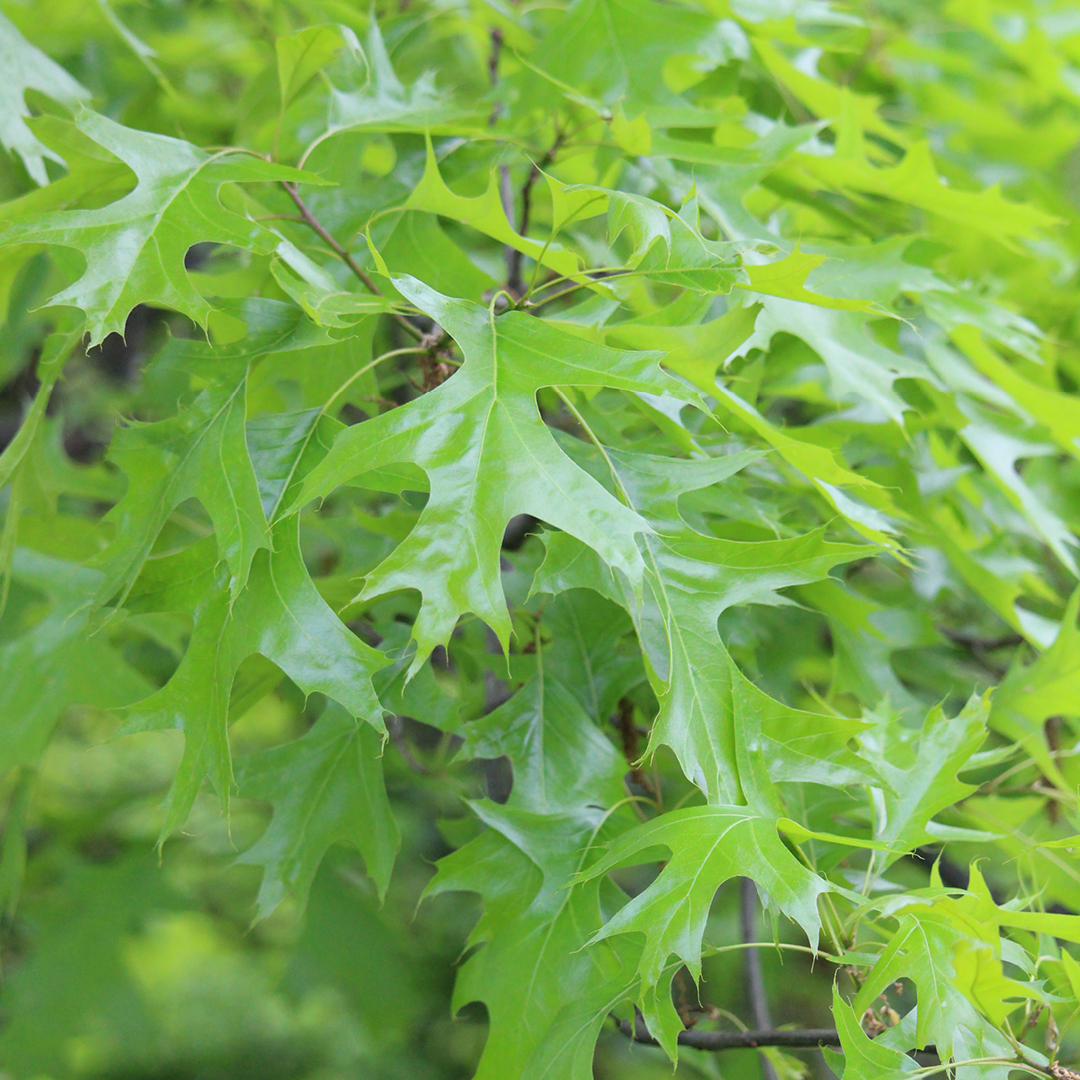
Shade Trees – Maple, oak, hackberry, linden, and elm often grow faster and straighter when planted bare-root. Early pruning for a strong central leader helps them mature into stable, structurally sound shade trees.
Evergreen Trees – Spruce, fir, and some pine species can be planted bare-root with success if roots remain moist and transplanting occurs early enough in the season to prevent moisture loss through their foliage.
Fruit Trees – Apple, pear, peach, plum, and cherry respond exceptionally well when planted bare-root. Because most are grafted, correct graft height is especially crucial for longevity and productivity. Young trees with trunks around 0.75″ diameter are easier to establish, while larger bare-root fruit trees require careful handling and attentive care.
Bare-root trees offer an economical, lightweight, and highly effective option for early-season tree planting. With careful planting depth, graft union awareness, attention to tree size, proper root care, and consistent watering, these trees quickly develop into some of the healthiest and most resilient specimens in the landscape.
If you’re choosing varieties or gathering supplies, the team at Ruhlig Farms & Gardens can help ensure you get the right tree, amendments, and tools for long-term success.